Unique Wedding Officiant Services Tailored to Your Vision
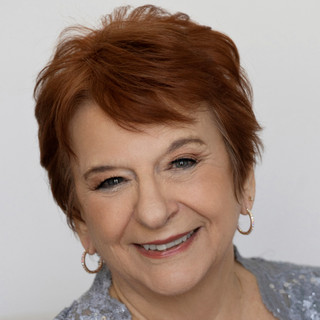
Planning a wedding can be both exhilarating and overwhelming. One of the most significant aspects of this special day is the ceremony itself, where two people commit to a lifetime together. This is where a unique wedding officiant comes into play, offering services that can be tailored to your vision. Whether you dream of a traditional ceremony or something more unconventional, the right officiant can help bring your ideas to life.
Understanding the Role of a Wedding Officiant
A wedding officiant is responsible for conducting the marriage ceremony. This role can vary widely depending on the couple's preferences and the type of ceremony they envision. Here are some key responsibilities of a wedding officiant:
Legal Authority: The officiant must be legally authorized to perform marriages in the state where the ceremony takes place.
Ceremony Structure: They help structure the ceremony, including writing vows, selecting readings, and incorporating rituals.
Personalization: A good officiant will work closely with the couple to ensure the ceremony reflects their personalities and relationship.
Why Choose a Unique Wedding Officiant?
Choosing a unique wedding officiant can significantly enhance your wedding experience. Here are some reasons to consider:
Personal Touch: A unique officiant can create a ceremony that feels personal and meaningful, rather than generic.
Flexibility: They often offer more flexibility in terms of location, style, and content of the ceremony.
Creative Ideas: Unique officiants can provide creative suggestions that align with your vision, making the ceremony truly one-of-a-kind.
Types of Unique Wedding Officiant Services
When looking for a wedding officiant, consider the various types of services they may offer. Here are some popular options:
1. Customized Ceremonies
A customized ceremony allows couples to create a unique experience that reflects their love story. This can include:
Personalized Vows: Couples can write their vows, making the ceremony more intimate.
Incorporation of Traditions: Unique officiants can blend cultural or family traditions into the ceremony.
Themed Ceremonies: Whether it's a beach wedding or a rustic barn setting, the officiant can tailor the ceremony to fit the theme.
2. Elopement Services
For couples looking for a more intimate experience, elopement services can be ideal. These services often include:
Location Scouting: Officiants can help find the perfect spot for the ceremony, whether it’s a scenic overlook or a cozy café.
Witness Services: Many officiants can provide witnesses if needed, simplifying the process for couples.
Simplified Planning: Elopements typically require less planning, allowing couples to focus on each other.
3. Adventure Weddings
For adventurous couples, an officiant who specializes in adventure weddings can help create a memorable experience. This can include:
Outdoor Locations: Ceremonies can take place in stunning natural settings, such as mountains, forests, or beaches.
Unique Activities: Some officiants offer to incorporate activities like hiking, kayaking, or even skydiving into the wedding day.
Personalized Experiences: Adventure officiants often work closely with couples to ensure the ceremony reflects their adventurous spirit.
Finding the Right Officiant for Your Vision
Choosing the right officiant is crucial to ensuring your wedding day is everything you envision. Here are some tips to help you find the perfect match:
1. Research and Recommendations
Start by researching potential officiants in your area. Look for:
Online Reviews: Websites like WeddingWire and The Knot can provide insights into officiants' reputations.
Recommendations: Ask friends or family for recommendations based on their experiences.
2. Interview Potential Officiants
Once you have a shortlist, schedule interviews with potential officiants. During the interview, consider asking:
Experience: How many weddings have they officiated? What types of ceremonies do they specialize in?
Personalization: How do they approach creating a personalized ceremony?
Availability: Are they available on your wedding date? What is their policy on travel?
3. Review Packages and Pricing
Different officiants offer various packages, so it’s essential to understand what is included. Look for:
Ceremony Length: How long will the ceremony be? Is there flexibility in the length?
Additional Services: Do they offer rehearsal services, or can they assist with paperwork?
Pricing Structure: Understand their pricing model and what is included in the fee.
The Importance of Communication
Effective communication with your officiant is vital for a successful ceremony. Here are some tips for maintaining clear communication:
Share Your Vision: Be open about your ideas and preferences. The more your officiant knows, the better they can tailor the ceremony.
Discuss Expectations: Talk about what you expect from the officiant on the wedding day, including their role during the ceremony.
Stay in Touch: Keep the lines of communication open leading up to the wedding day. Regular check-ins can help ensure everything is on track.
Crafting Your Ceremony Together
Once you’ve chosen your officiant, it’s time to start crafting your ceremony. Here are some steps to guide you through the process:
1. Define the Tone
Decide on the overall tone of your ceremony. Do you want it to be formal, casual, or somewhere in between? This will help guide the officiant in their writing and delivery.
2. Select Readings and Music
Choose readings, poems, or songs that resonate with you as a couple. Discuss these selections with your officiant to ensure they fit seamlessly into the ceremony.
3. Incorporate Rituals
Consider incorporating rituals that hold significance for you. This could be a unity candle, sand ceremony, or even a cultural tradition. Your officiant can help you integrate these elements smoothly.
The Day of the Ceremony
On the day of your wedding, your officiant will play a crucial role in ensuring everything runs smoothly. Here’s what to expect:
Arrival: Your officiant will arrive early to set up and ensure everything is in place.
Rehearsal: If you have a rehearsal, they will guide you and your wedding party through the ceremony.
Ceremony Execution: During the ceremony, the officiant will lead the proceedings, ensuring everything flows as planned.
After the Ceremony
Once the ceremony is complete, your officiant will typically handle the legal paperwork to ensure your marriage is officially recognized. Here are some additional steps to consider:
Thank You Notes: Consider sending a thank you note to your officiant for their services.
Feedback: Providing feedback can help them improve their services for future couples.
Conclusion
Choosing a unique wedding officiant can transform your ceremony into a memorable experience that reflects your love story. By understanding the role of an officiant, exploring different types of services, and maintaining clear communication, you can create a ceremony that is truly tailored to your vision. Take the time to find the right officiant who resonates with your style and values, and you’ll be well on your way to a beautiful wedding day.


Comments